

Introduction
Rent collection is a crucial aspect of the landlord-tenant relationship, emphasizing the value exchange between tenants and landlords. In today’s digital world, the traditional methods of rent payment are being replaced by online transactions and electronic payment solutions. This shift not only offers convenience and efficiency but also ensures a steady flow of income for landlords and a seamless experience for tenants.
With the increasing demand for rental properties and the global rise of digital payments, it is essential for forward-thinking landlords to embrace these modern payment solutions. In this article, we will explore the key elements of rent payment, the benefits of electronic and online payment solutions, the legal considerations for rent payments, tenant rights and responsibilities, landlord rights and responsibilities, eviction procedures and appeals, and best practices for both tenants and landlords. By understanding these aspects and adapting to the changing landscape, landlords can effectively manage rent collection and maintain harmonious relationships with their tenants.
Understanding Rent Payments
Rent collection is pivotal in maintaining a stable property owner-tenant relationship, essentially being the tenant’s financial acknowledgment of the value provided by living in the owner’s property. It’s a practice deeply rooted in the principle of exchange – shelter for compensation – and reflects the evolving dynamics of property value in an increasingly digital world. As we shift away from traditional brick-and-mortar dependencies, the rise of online transactions underscores the changing landscape of property usage and the importance of adapting to new methods, such as e-commerce platforms, for financial exchanges. This is particularly relevant in the real estate sector, where the convenience and efficiency of digital solutions are becoming more apparent. Renting has, for many, become a significant financial commitment, with a staggering 52% of American renters spending over a third of their income on it, emphasizing the necessity for property owners to streamline the process of receiving funds. Adopting online financial solutions can not only serve the tech-savvy population but also guarantee a continuous stream of revenue, protecting both the landlord’s investment and the tenant’s residency.

Key Elements of Rent Payment
The mechanics of paying for housing are crucial to the landlord-tenant relationship, encompassing the amount owed, due date, and permitted methods of transaction. Each component is essential for a streamlined collection process. Consider the perspective of Luke, Head of Marketing at Innago, a property management software company, who emphasizes the importance of understanding fraud related to online collection of fees to ensure worry-free online collection. By keeping up-to-date on common fraud categories, property owners can confidently adopt digital transaction options, which are progressively becoming the favored choice because of their convenience and effectiveness. In fact, with the digital age reducing the need for physical transactions, online rent payments are not only more convenient but also align with contemporary financial practices. Even when confronted with potential fraud, equipped with knowledge and the appropriate tools, property owners can safely navigate the digital landscape. This proactive approach is complemented by the expertise of property management companies, which are becoming indispensable in the real estate industry. They provide priceless services like handling renter interactions and upkeep, thereby enabling property owners to concentrate on other aspects of their business. As the real estate market evolves, the incorporation of electronic transaction alternatives and professional management services is not just a luxury but a strategic move for any forward-thinking landlord.
Methods of Paying Rent
Landlords and tenants alike are embracing the efficiency and convenience offered by electronic and online solutions for rent transactions. In contrast to the traditional methods such as cash or checks, which can be cumbersome and time-consuming, modern options for financial transactions are streamlining the process. Advancements in the digital monetary area, like the incorporation of Stripe as a unified financial service provider, improve the customer experience by establishing a smooth transaction flow, guaranteeing that billing and tax information are managed efficiently for subscriptions and one-time transactions.
Fraud concerns, which are prevalent in online transactions, are being addressed through comprehensive fraud analysis and awareness of common types of fraud in transactions. By comprehending and implementing security measures, landlords can confidently shift to online payment collection. Furthermore, the emergence of digital wallets is transforming the financial landscape, with projections indicating that by 2026, more than half of the global population will utilize them. These wallets offer a safe and encrypted approach to store and utilize monetary data, making lease transactions a convenient experience for occupants.
These advancements are not just simplifying transactions but also impacting renter conduct in a positive manner. With clear communication from landlords about the benefits of these methods, such as the ability to send renter communication blasts, compliance is expected to improve. Regarding the financial aspect, the incorporation of lease transactions into credit history records, as observed with platforms such as Rise in Saudi Arabia, is highlighting the importance of punctual lease transactions on renters’ financial status.
The worldwide transition to digital transactions is evident, with the market expected to reach US$9.46 in 2023. This shift is supported by the growing demand for rental properties, evidenced by an 11% increase in demand for rental apartments in US cities since the previous year. As the digital payments market continues to expand, property owners who embrace these contemporary payment solutions are well-positioned to benefit from the combination of safety, convenience, and enhanced renter relations.

Benefits of Electronic and Online Payment Solutions
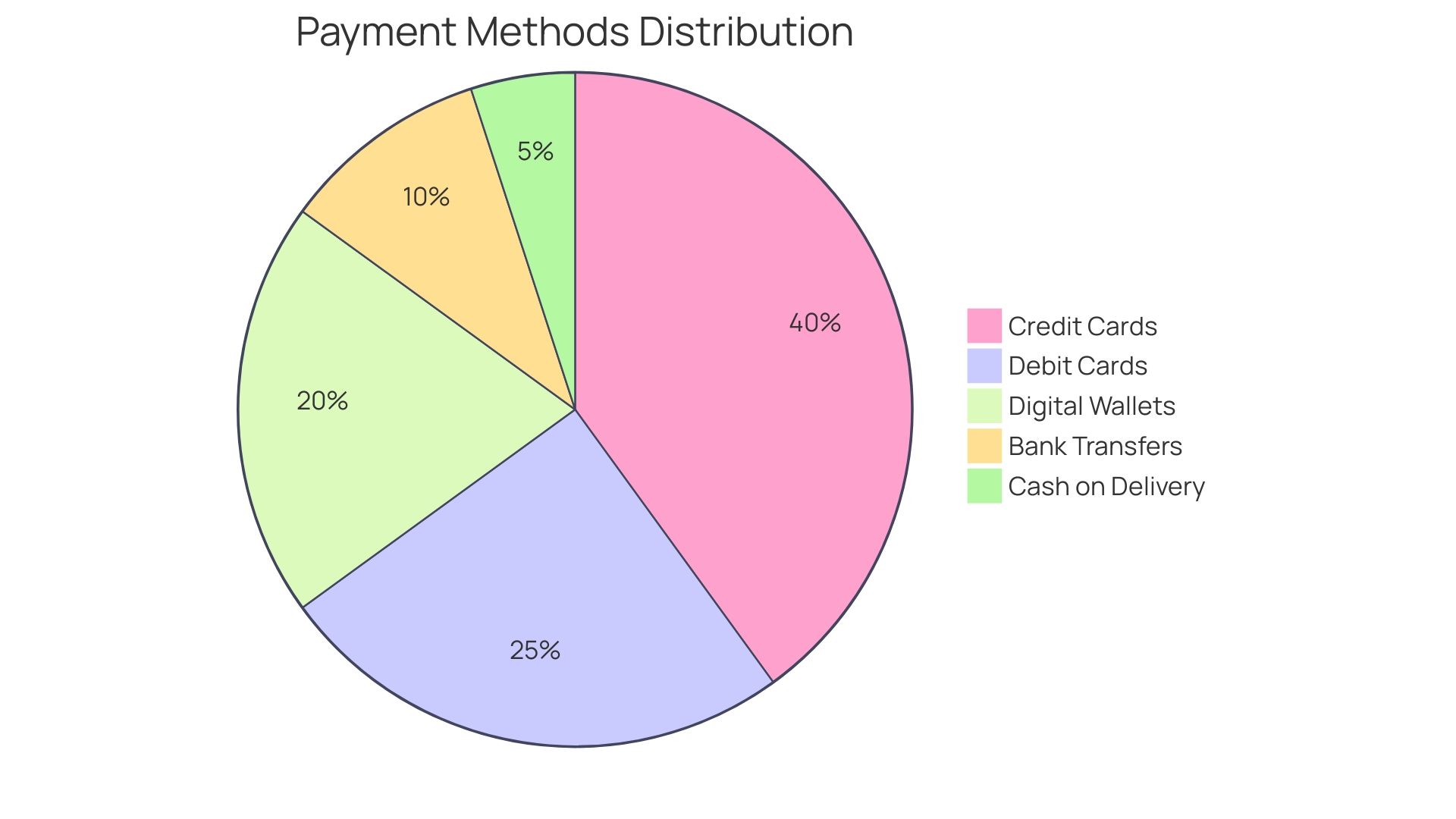
Utilizing the potential of electronic and online payment systems converts the process of collecting payments for accommodations into a smooth and secure procedure for both property owners and occupants. Tenants enjoy the freedom of making payments from any place, at any moment, removing the necessity for traditional checks or cash transactions. Meanwhile, landlords value the accelerated fund processing and the ease of automatic record-keeping, which simplifies the entire collection procedure. The integration of these systems can lead to significant efficiency gains, reminiscent of the Schani Hotels’ transition to a data & AI-driven platform, which resulted in a 30% increase in operational efficiency. Emulating the successes seen in the hospitality industry, such as the Travel Charme Strandhotel’s digital advancements, real estate professionals can now significantly amplify their output. According to Luke, the Head of Marketing for Innago, comprehending the varieties of fraud in transactions and taking measures to avoid them is crucial in confidently embracing online rent collection methods. Moreover, the extensive acceptance of credit cards, as shown by the 2.79% yearly increase in global credit card holders from 2018 to 2023, emphasizes the current inclination towards digital financial solutions. As digital methods continue to gain traction, they represent not just a convenience but a strategic advantage for forward-thinking property owners.
Legal Considerations for Rent Payments
Managing the legal aspects of collection is more than a mere transaction between tenant and landlord; it’s a critical aspect of property management that requires a vigilant understanding of laws and regulations. Every lease agreement must be meticulously outlined in writing, specifying the key terms such as the amount to be paid, due dates, and approved payment methods. This level of detail not only streamlines the collection process but also stands as a safeguard, ensuring that all parties are operating within the bounds of legal compliance. It’s crucial that property owners are knowledgeable about these matters to safeguard their assets and uphold amicable lessee relationships.
Consequences of Failure to Pay Rent
Timely payments for occupancy are essential for landlords to meet their financial obligations, such as covering property expenses and maintenance. Regrettably, individuals who do not make timely payment for their accommodation may encounter substantial consequences, such as additional charges for delayed payment and removal from the premises, which could negatively impact their credit rating and prospects for future housing options. The situation becomes even more urgent when we consider stories like that of Juan Monterroza, who faced losing his home due to an occupant’s unpaid payment and the challenging eviction process. This instance highlights the domino effect of payment default on both lessees and property owners. The changing digital era, as mentioned by Read Saigon, implies that the convenience and effectiveness of online transactions could contribute to alleviating these problems by offering more streamlined payment solutions. Moreover, the importance of communication in these matters is highlighted by the Professionals Real Estate’s commitment to improving their defects management procedures. As the rental market continues to adapt to new economic realities, it’s crucial for individuals renting a property to prioritize their financial commitments to maintain a stable and secure living situation.
Legal Frameworks for Rent Payments
Gathering payment is a basic element of being a property owner, but it’s not as simple as it might appear. Each jurisdiction has its own legalities surrounding rent collection that must be adhered to, ensuring that both landlords and lessees are protected. For example, in Massachusetts, individuals renting a property have the right to a jury trial for real estate conflicts, and fees for delayed payment can only be applied after a 30-day grace period. Furthermore, the prohibition of children residing with lessees is regarded as discrimination. Adhering to such specifics is key to avoiding legal disputes and fostering good landlord-tenant relationships.
The significance of comprehending the legal structure of rent collection is emphasized by the implementation of new regulations by the Department for Levelling Up, Housing and Communities, enabling individuals residing in social housing to ask for information regarding the administration of their homes. This shift towards transparency and occupant empowerment underscores the evolving landscape of tenant rights and the need for property owners to stay informed.
Rent collection processes also have financial implications for property owners, as seen in community land trust models, where properties are exempt from property taxes, significantly reducing costs. Likewise, companies such as Rise in Saudi Arabia assess a tenant’s financial obligations and credit record to establish the highest allowable lease amount, guaranteeing tenants are not overwhelmed and property owners receive punctual compensations.
Moreover, adopting electronic and online payment solutions can streamline the collection process for property payments, although it’s important to be aware of potential payment fraud. By comprehending the most prevalent forms of deception and how to hinder them, property owners can securely gather payment electronically.
In the end, keeping informed about the most recent advancements, like the dedication of the Scottish Housing Regulator to protecting the concerns of residents, and using resources and services that assist in following the law and evaluating finances, are crucial for property owners to effectively handle the gathering of payments.
Tenant Rights and Responsibilities
When it comes to the important duty of collecting payments, property owners must navigate a complicated environment of legal obligations while fostering favorable relationships with occupants. It’s not simply a matter of property ownership and maintenance; landlords must be well-versed in the legal nuances of rental payment collection to ensure smooth operations and protect their rights and property.
For renters, grasping their rights is equally vital. They have the right to receive a document for their lease payments, the opportunity to dispute any inaccurate fees, and an anticipation of confidentiality regarding their monetary details. At the same time, individuals renting a property must meet their responsibility to pay rent on time and comply with the terms outlined in their lease agreements.
Recent legislative changes, as described in news by the Department for Levelling Up, Housing and Communities, have further empowered occupants, especially in the social housing sector. Tenants now have the right to access information regarding the management of their homes, which includes details about maintenance issues and health and safety reports. This openness is a notable move towards guaranteeing that property owners maintain elevated levels of living and treat renters with equity and courtesy.
As a landlord, staying informed about such changes and ensuring compliance with all applicable laws and regulations is imperative. Failing to do so can lead to legal challenges, financial penalties, and difficulties in managing occupant relationships. Remember, prioritizing tenant satisfaction is not just a legal mandate, but a strategic approach to ensuring long-term cash flow and profitability for your real estate investments.
To manage the intricacies of rental payment successfully, it’s advisable to seek guidance from sources like the articles published in the NARPM Residential Resources Magazine and to take into account the input from real estate professionals. By doing so, you can create an environment that is safe, habitable, and conducive to a harmonious landlord-tenant relationship.

Landlord Rights and Responsibilities
While property owners are entitled to timely rent payments and can take actions in the event of non-payment, their responsibilities go beyond just collecting rent. For example, property owners must provide a safe and habitable living environment. This includes addressing serious issues like water damage from floods, which property owners are legally required to repair, ensuring that such damages do not impact the habitability of the rental unit. Moreover, in circumstances where dangerous circumstances such as poisonous mold are existent, property owners must promptly address the problem to safeguard the well-being and security of their occupants.
Addressing occupant safety is another important responsibility. Landlords must implement reasonable security measures, such as ensuring that all locks and gates are functioning properly, to prevent crime and guarantee resident safety. Furthermore, individuals living in social housing now have new rights to request information about their living conditions and the management of their homes. This openness enables individuals renting properties to hold property owners responsible for the standard of residences and amenities offered.
Furthermore, landlords must be conscious of legal protections provided to renters. For example, individuals renting a property cannot be compelled to give up their entitlement to a trial by jury, and penalties for late payment cannot be imposed before 30 days have passed since the due date in accordance with specific state regulations. It is also against the law to forbid renters from having children live with them, as this constitutes discrimination.
Landlords must handle these obligations knowing that the majority of tenants in the U.S. are greatly burdened by rental expenses, with over half paying more than 30% of their income on housing. Hence, upholding a equilibrium between enforcing lease terms and comprehending occupants rights and financial pressures is vital for effective and equitable property management.
Eviction Procedures and Appeals
When occupants fail to make their rent payments, the response isn’t always to immediately evict, but it can be the start of a legal process that could lead to eviction. Landlords are obligated to give occupants with a written notice, which sets the stage for them to rectify the problem. If occupants fail to respond appropriately, the eviction process continues, but it’s crucial to remember that occupants can challenge evictions, guaranteeing their rights are protected under local laws. The complexity of eviction proceedings is illustrated in various case scenarios, demonstrating that every eviction story is unique, like the unfortunate situation faced by Kasey Vang in Ashwaubenon, Wis., who received an eviction notice amidst personal turmoil.
Moreover, recent news stories highlight how tenancy issues can affect the quality of life for renters, as seen in the case of siblings Kathleen and John in Toronto, whose living conditions in their apartment were far from acceptable. Such incidents underscore tenant rights and the due process that must be followed in eviction cases. For instance, New York’s Good Cause Eviction Law, effective April 20, 2024, offers additional protections from arbitrary eviction and rent hikes for those in buildings built before 2009 and with more than ten units, among others.
Eviction is not a step to be taken lightly; it’s a legal procedure that typically commences with a notice when the property owner believes there has been a significant lease violation. As stated by professionals, this can be a crucial moment for renters, and moving out after receiving such a notice can be a significant error. It’s important for landlords to consider the human element in these proceedings, as the rise of ‘automated landlords’ can depersonalize the process, potentially stripping away opportunities for communication and resolution.
Understanding the intricacies of court processes for eviction matters is crucial, and while the legal system ensures that appropriate steps are followed, the impact on tenants can be significant, as highlighted by research from the Eviction Lab at Princeton University. In the end, the eviction procedure is a manifestation of wider housing and affordability concerns, with a substantial portion of tenants in the U.S. expending more than 30% of their income on housing, indicating the necessity for a well-rounded approach to tenancy administration.
Best Practices for Tenants and Landlords
Effective collection of payment is a foundation of successful property management. It is crucial for individuals leasing a property to grasp the significance of punctual remittances, which not only ensure their accommodation but also have a favorable impact on their credit record. Tools like Rize, used in Saudi Arabia, consider an individual’s financial standing and credit history to determine a manageable housing cost, ensuring tenants are not overburdened financially.
Landlords can streamline the process of receiving rental fees by providing a variety of alternatives for paying. Contemporary real estate management software, like Innago, offers a way for property owners to adopt digital solutions, decreasing the time spent on manual rent collection and minimizing the risks associated with fraudulent payments. With an emphasis on interfaces that are easy to use, these systems guarantee that both property owners and renters can easily navigate the process of making payments, leading to a transaction that is clear and effective.
Real estate professionals like Luke, who have experience in marketing for property management software, emphasize the significance of comprehending the intricacies of fraud related to payments. Through gaining knowledge about the various forms of deception and incorporating reliable digital payment platforms, property owners can safeguard their investments and cultivate a relationship built on trust. In addition, establishing reasonable market prices and avoiding the trap of overvaluing are essential tactics to uphold occupancy and protect a landlord’s investment. This approach, informed by thorough market research and understanding of local rental trends, helps in aligning rental prices with tenant expectations and market values.
In conclusion, a well-structured rent collection strategy benefits all parties involved. Tenants should prioritize timely payments and landlords should facilitate the process through clear communication, multiple payment options, and the adoption of digital tools that offer security and ease of use. By focusing on these practices, the rental experience can be improved for everyone.
Conclusion
In conclusion, embracing electronic and online payment solutions for rent collection offers numerous benefits for both landlords and tenants. These modern methods provide convenience, efficiency, and security, allowing tenants to pay rent from anywhere at any time and landlords to streamline the process. By adopting these solutions, landlords can ensure a steady income flow and safeguard their investments while providing a seamless experience for tenants.
Understanding the key elements of rent payment and navigating potential payment fraud are crucial for a streamlined collection process. The integration of electronic payment options and professional management services is becoming essential for forward-thinking landlords, allowing them to focus on other areas of their business.
The global shift towards digital payments is undeniable, and landlords who adopt these solutions are positioned to benefit from enhanced tenant relations and increased profitability. The efficiency gains and automatic record-keeping provided by electronic and online payment systems can significantly improve operational efficiency.
Navigating the legalities of rent collection requires a vigilant understanding of laws and regulations. Landlords must outline lease agreements scrupulously and ensure compliance to protect their property and maintain harmonious tenant relationships. Tenants, on the other hand, must fulfill their responsibilities to pay rent punctually and understand their rights.
Failure to pay rent on time can have significant consequences for tenants, including late fees and eviction, which can harm their credit and future housing opportunities. Landlords should prioritize clear communication, multiple payment options, and the adoption of digital tools to mitigate these issues and ensure a stable and secure living situation.
In summary, efficient rent collection is crucial for successful property management. Tenants should prioritize timely payments, and landlords should facilitate the process through clear communication, multiple payment options, and the adoption of digital tools for security and ease of use. By focusing on these best practices, the rental experience can be improved for everyone involved.


